
momentary separations
in how ever many infinite mirrors of existence

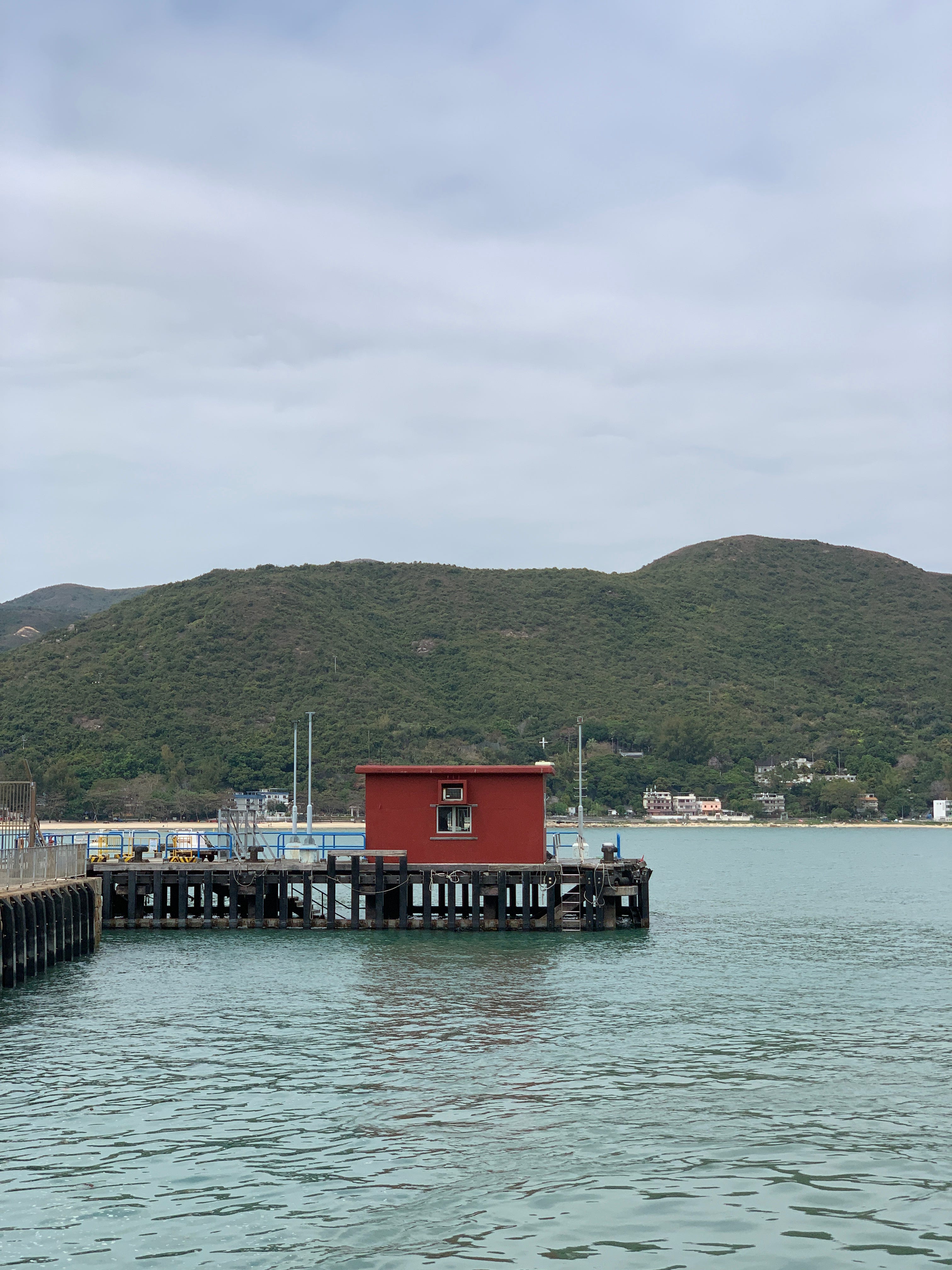
I don’t know how to write about you, if the scribbles on my journals would render you alive and beating of a heart, if I could draw you into an outline that is befitting, one that is fair to who you are, as I have seen you, known you, the figure that which contorts goodness and youthful wonder, an elusive shadow preying on a negligent host. I want to talk to you—should I? Would that revoke the resolve I’ve concluded to at my foot’s crossing out your doors of decades old? Would my hopes of reconnecting, no matter how determined or ill-conceived, ruin all potentiality of recovery, which is to mean lacerations mutating into keloid scars, sutured together not by sit-down dinners and I’m sorry’s spoken with a heard voice and warm intentions; must I do what the elders have done and tread an overgrown path for the sake of being a child of virtue, for it is only with time, as they say, that all wounds heal?
I would like to ask you questions, perhaps about my birth, my happier days, bathing in the sprinkling rain and clusters of floating soap as you washed the gold-skinned Honda on a weekend’s mid-afternoon, my brother’s hand-me-down Dragon Ball sando sticking to the frailty of my bones like scales on a mermaid’s tail, or the self-serving philosophies you’ve woven into prophecies of a vacant body such that the face of my mother is in the absence of the beauty of her soul. But the walls between us are an impenetrable stone of history, one that can only be chiseled at the rough surfaces with sweet words veiling ulterior motives, the occasional luxury gift to materialize familial love with red ribbons and birthday confetti, or trips to anywhere, elsewhere, but the rooms we’ve locked ourselves in, the private spaces we’ve welded locks without keys, imprisoned from the other, a small room of my own with my mind that cannot sleep, my books you cannot read, the older pictures carelessly stacked face down or tucked away in those white plastic boxes she hoarded over the years, the still frames of outdated peace signs and wacky poses buried in layers of dead skin, rust engulfing the faith of misplaced rosaries. Why have the elders lied? When there is no healing, even after all this time? But of course, you do not enter. You do not cross your feet past my open doors.
It didn’t help that a month after we had returned from Hong Kong, I was already sorting the books into boxes, pouring concrete over the thickened walls that stood between us and our useless wishful thinking, I was already preparing to leave. It didn’t matter that the trip itself happened beyond the usual hearsay, or that my room upon coming back home had filled itself with newer things and pretty pictures for keepsakes; nor did it cause any hesitation on my part, despite being the first and only observer to my own devaluing, as though what mattered in a life was all the stuff I could categorize as worthy of taking or leaving, what I could label as something I owned, possessions that could not be questioned for thievery; and in the chaos of rectifying ownership, I wondered if this was enough, to build a new life, if only from the residual pieces and not much else to reinforce them—the walls of greater height and thickness that will form upon such a departure—when I was packing the apparently very few clothes I owned into the one silver suitcase I swore to send back after getting settled in a new room, at an address I’d find out only the same Sunday afternoon of my leaving; and it will have been then, as the memory of my mother funneled itself into a shape I remember in the parking lot, when I had realized just how much a life can part itself into two halves with a darkened line of unceremonious permanence: the times of before, from which I had been removed and felt equally removed from; and the after, where much is unknown yet predictable, that I will no longer exist in your circles, your circles that made me whole. And it will have been me, who would draw that line and break my family in half.
Still, the choice to make was clear and had been made in a manner that was clearer, at least to me, though I must admit that a stranger, or even a close acquaintance, would have easily misconstrued the events that followed (for no one knew what had come before and I was not in the habit of exposing dirty laundry to others), as perhaps something more akin to an act conceived by my impulsivity and weakness, that maybe I was instead giving myself some time. To do what, exactly? I suspect, possibly, to mull things over, wait for the irrationality to subside, come to my senses, as they say, to walk the ways of acquiescence. Nevertheless, I was sure then, as I am without any second thought now, that no unspoken apology, no quiet dinner in search of the right words only to spell out the same patterns would have made any difference. I would leave that very Sunday and, finally, there would only be my mother and I. And even then, I will only shut the door with an air of finality as I make my exit, for the tendency for caution will have escaped with me. I will forget to bid my last goodbyes, a wistful look upon my room, now old as the adjective to modify the noun, where all ache seemed to regurgitate from the cheap wood flooring or the textured white walls, my bed standing upright and ripped naked of its sheets and sleepless memory, the two hollow planks you drilled to the right side to create a makeshift bookshelf, upon which, when closely inspected, rested in complete stillness all evidence of occupancy, or how ever much longer there was left of it—mere minutes—here in the first half. I could swear I had seen it, sensed it, bitter and heavy and somehow chilling, a pressing cold in my spine: the traces and the shadows of where the books had been, the streaks and scratches that tattooed all sorts of grievances and scenes of joy onto the floors from wheeling my chair as I tinkered about; the pencil marks adjacent to my door, a sign of hope that I would get taller as I grew up, only that I grew up too fast, my heart, without power to keep pace, shrinking in the process, as did my patience, whatever previously acquired ambition, tolerance for noise and laughter and collective movement of crowds, gentle satisfaction for the small and ordinary, my unfettered desires for the big and beautiful even more so. It was a sight of metamorphosis: a changing, shedding, of my many personalizations that the room had absorbed the days and nights it watched me breathe essence into empty space; for the desk, the cabinets must be emptied, the randomness put back in their proper place, in the interest of order, manufactured convenience for strangers coming and going. I will take only what’s necessary—what’s mine—as it has become necessary for me to draw for myself bigger circles, darker and well-defined, make myself whole in the newness waiting on the other side of these momentary separations.
Yet in such a time, of undeserving calm after quite the chaos, or so I had been made to believe as absolute truth, I would find myself sinking in panic, out of my depths in a pit of unfamiliarity, trying to feel for the bottom and if I could even reach it, if it is at all there, fear encroaching upon every molecule of water in me and around, obsessing over the questions of my life to no foreseeable end—like a flash flood during the peak of summer rising abruptly to the height of knees, catching me off guard, without a way to higher ground and directionless in the current—as if a single answer, should there even be one to discover, would ever suffice, scoop out acid rain from my drowning blue drum. I would find myself taken aback and stifled at the sight of the amount of blatant change no cardboard box or suitcase could have possibly steeled the fragility I had developed from a life of physical comforts, sweetness in spite of the growing pains. I would not expect the coating of sticky grime on my body as my mother and I slept through the hotter nights, the black smudges I’d discover like breadcrumbs on a clean shoulder, arm, or thigh caused by the moldy shower head, or the packs of Esse cigarettes and neon lighters appearing here and there in my periphery without soliciting my permission, the scent of nicotine poisoning the taste in my mouth, stinging my eyes and childish foolishness, as the wind hurled my mother’s exhalations to the six-year-old who cried by the kitchen gates. That same Sunday, I had failed to witness for the last time the only corner of the room that looked most beautiful before sunset, when the light would wash itself in gold and rush inside through the one window, a dancing illusion of crackling embers, uninhibited, as if it were warm enough to burn the flying little things that surrendered to it, a curious moth to a flame; but the light shifts, waltzes away soon enough, as it does so every day without prior notice, without me to see it, or even miss it, as I will no longer, deferring to no one except the infinite motions of the worlds above, perfunctory and fleeting as a name on a gravestone despite the tending of weeds.
Why have you let me go like this? Why have you let me go at all?
I would like to ask you questions, as if any answer would ever suffice.
The day was clear, I remember, as most days often were, here in this part of our little town, the sky splitting open to reveal a circular rosary bead of blinding light, as if to stare at the sun’s eyes for long enough would mean to see the face of God. We were running up the sloping hill, breathless and lost in our unencumbered fantasies, the thin sheets of wood we had stolen from the indoor shed pinned under our arms and swinging to the bends of grass beneath our jolly frolic. Do you remember? Mounting ourselves on planks right at the crest of the hill, where our hands could reach the heavens, it seemed, if we raised them higher before setting off down the slope, then running back upwards to the heights of holy lands, only to descend into the loveless world seconds after. We were happy then, without a single clue, at the place where we could live in our little bodies, which is to say a place where we could be children: nails bitten, skin soft, plump at the cheeks, splattered with mud on angelic features, the fingers on one hand enough to count the number of our fears, which is to say we didn’t have very many, at seven or eight. But of course, we had no idea. And I guess, perhaps, at that age, when we were clueless and unsuspecting of the greater plagues and harm inflicted upon our own kind, it was okay to stay exactly that, thinking that even if we become bigger people, we’d always be outliers, exceptions to the rules of fathers with sticks and leather belts, a fistful of rock salt clutched by their heavy hands as we knelt by the altar at supper’s end, that all would be allowed and then forgiven by the people bigger than us.
Yet it was often the case, or so it seemed to me, that we pieced together events from our childhood always in contradicting points of view. As I am sure you would outright refute, or perhaps it was really because you simply could not fathom why it had occurred to me to believe him. I hope at least this night you could employ perfect recall of every ghastly detail, for these make up the scene of the crime, a factual portrait without the artificial gloss of innate cognitive bias: the color of your shirt, red and rotten, like the look in his eyes, the harsh lights emitted by the 7-Eleven signage overhead dawning upon us like a reckoning, outside, where the putrid stench rising up from the roadside storm drains filled the air with a sense of bitterness—a perishing—that met us at the benches, where we sat for what felt like, and again maybe only to me, the same amount of time it takes to exsanguinate every drop of blood from a microscopic puncture wound. Was I overreacting when I heard the news? I would have liked to ask you this, then, if you would have loved me anyway, despite the look on God’s face. But of course, you preferred closed fists over words, as did he, punched through cabinets and piled dirty clothes on unkept floors; and on our way back home, as soon as we pushed the arrow button in the lobby, my mother emerged like an apparition from the opening, stepping out of the elevator, carrying a single black duffel bag, kissing the deathlike pallor of my cheeks goodbye. It wasn’t any more surprising that when we arrived at our floor, you’d be walking into the apartment for the last time. Maybe then I should have convinced you to stay, or forced you to listen to my ramblings about who knows what, hoping that I could fill your mind with my thoughts, a nervous last-minute attempt for you to relinquish the madness of yours; but there I was, I suppose, finding safety within the immovable cage that surrounds my will, unaware of my feet like I had forgotten how to walk, without power or choice to run past the kitchen gates.
Like a highlight reel whirring in my head, I remember most of all the reverberating echo of the front door as you bulldozed your way through it on your way out, the adjacent altar table of holy things and white prayer candles absorbing turbulence upon impact, as if God, through the statuette that held the betrayal of His gaze, was telling me I’d be alone again, the same way you left me on the hill that one summer’s day because you’d rather play with the boys, and I watched your figure get smaller and smaller, blend into the background, until the greenery of the farm, as did the piercing fluorescence in the hallway leading to the elevator, consumed the fullness of your shape, my tears burning skin as they gushed from open spouts, incessantly on both occasions, like I was, once again, six years old. But of course, you don’t remember, that the night had turned, soured, and swept yesterdays to the swelling of the moon, just as the sound of your footsteps in the hallway faded in the dark, or when the engines of the long-distance bus cried out like a probing lone wolf after four hours on the road, and I was sitting on the left side, just as my mother had taught me, on the way to the plains and rice fields of Central Luzon, hunting her down. At the time I let my mind wander beyond the blur of incoming headlights from the opposite lanes of the expressway, thinking to myself how life had proven itself to be this faithless, fickle thing, for how was I to anticipate the shifting of tides, how was I to manage the vocabulary of outpouring anger? The unpredictability of impermanence, my failed coming of age, understanding at twenty-two while I spent my birthday without the promise of family, that love was nothing more than a single step out the door, a spiked edge with which we bisected our hearts into the faces of half-moons, a foreign word mentioned without the act, losing sound in the dark. If anything it was one of the few times in my life I had actually thought it possible for me to do, for there was nothing else for me to do: continuing, moving on, as the brokenhearted say, in your absence. It occurs to me now, as you stride forward with a blinding view of my empty room, how I regret wasting so much time resenting you, especially for the many days you were gone, for I could not anticipate your return, and hence, resenting the part of myself from which envy sprang and thrived and became this green-eyed fiend when my mother looked at you with a softness and gentle calm, as it had always appeared to me that you had such an abundance of choice—you could leave when you wanted, come back just the same, and you remained faultless in the fallout—while I stayed, always, at the mercy of my womanhood. When the time came and you had told me where you were staying, I rushed to pack you fresh clothes, the fruits and groceries I bought just for you, and a couple slices of carrot cake I ate alone on my birthday. I remember crying as I kept your things in order, religiously cleaning your room like all that mess had anything to do with your sudden abandonment, and in making up for the emptiness left behind overnight by my mother, and then you, you were affirming that I had to take accountability for all of it; and I understood then, as it would be even more apparent to me upon your return in two weeks’ time, that it would have to be me who would clean up all this mess, without choice, yet again, to live my life in willful defiance, as if I was allowed to deny the demands of men who exalted the honor of their names but not their culpabilities; because who would bring them a cup of brewed coffee every morning or wash their dishes or put away their clothes into cabinets but the female of my body? An act of violence I cannot dismember and dispose of in oceans far and wide, for it was up to me to make a home without a mother. I hated it, I hated it down to every thinning fiber of my shriveled ends: my fingertips wrinkled and dry and lifeless from swirling running water around greasy plates and cups with lemon-scented dishwashing soap; the fraying color of my hair because I felt robbed of the luxury to experience self-love; the hardening expression on my face, which you could not read and would not try to, for recognizing these inequities would imply an inherent helplessness on your part, the part of men that could not survive without the power they held over the heads of domesticated keepers. How was it that everyone seemed to want so much from me, when I am my own drowning blue drum? Had we understood each other better, watched more movies instead to kill the sorrows of the night, walked away to construct a room of our own when hysteria took control of our household, when our parents redefined their love to the fates of fallen angels—him sleeping with a gun under his pillow, her in the storage room, frigid on the floor, torn skin on the bridge of her nose, missing the solace of her own mother—would we have ended up this way? You were always getting yourself into trouble, and I’d follow along, unable to think any better for myself, in spite of myself, and perhaps I had never attempted to venture an independent thought that was critical and argumentative because who was I to ever oppose? Or perhaps I would, should someone endeavor to take me seriously, and for that kind of attention and praise I might as well sing like an angel in choirs I didn’t enjoy, get gold stars, if only by way of sheer memorization, in school subjects I didn’t have any particular interest in studying, attend all the summer workshops and music lessons I was pressured to excel in just so they could see my attempts at filling out the edges of my lacking personality. Was I wrong to have always been so contrarian, to have raised my complaints, empty-handedly biting the open palms of those who fed me? Yet gorging on the spoils of their frankincense and myrrh, like I was doing God’s work, dying to be impressive for the world. But we were laughing anyway, even though they liked you more, and I knew this because they wanted everything for you yet wanted nothing from you, but I loved you still, more than myself, that I’d follow you anywhere. We could have made a run for it, back to the hills and the chicken teepees and the swaying coconut trees, where we feared only dead spiders in a matchbox and ghost stories and mosquito bites and driving back to Manila with all that horrendous traffic and homework and waking up at five in the morning because our parents had the bright idea we would be Olympic athletes or renowned classical musicians or hedge fund managers or doctors curing cancer or all of the above; but we were only children, our feet bare in the core of the earths, unknowing yet of the sins of bigger people, their failed marriage of twenty-something years. And there was us, juggling between two truths, dealing with the fallout.
I want to tell you I’m doing well—not in the slightest, actually—but I only want to tell you good things now. So I will not tell you that I would like to be a woman of strong opinion, of wild ambitions and power rightfully earned, and maybe I’d have a home of my own someday, where I would like to be treated with kindness, and perhaps I might be able to reclaim my faith, should I ever decide to come back to it, for it went, along with the boxes of books and the suitcase and the part of my soul that died that day, right out the door. In truth I am here, lost, lonely, yearning for a vast beyond that never comes. And oh God I’m so afraid I’ve used up all my fingers and toes, that here I am still—purposeless as a floating undiscovered island, without the civility of a larger continent to anchor me—adrift in a loveless world.
Tell me, tell me how to be.
I haven’t got a single clue.
Today there was a boy beside me, his politeness and in the way he sat, hands clasped together and to himself, quiet and unprejudiced, suddenly conjuring an imagery of altar boys and eternal devotions in my mind, then bringing calm to the vulnerability I often feel in public transit. It had been raining, as the moths had told us so when they swarmed the single white light in the room upon night’s darkest blues. You asked me to catch them with my hands, twirl my arms above my head to the downbeats of their wing flaps. It was all a game, I remember: me and my brother standing up on the antique dining table at the innermost part of the modern stilt house, spinning Beyblades in those early days as the morning announced itself in the harmony of roosters’ tenor crows, or stabbing loose chicken feathers on the bald spots of baby coconuts the size of tiny kabayan muffins, displaced like buried treasure all over the lands of the farm, away from their mother tree palm; and we would dance, right there on the table, tiptoeing and reckless, a plastic bowl of water by our bare feet, under the one light in an expanse of midnight sky, moments after rainfall, or sometimes before, our hands grasping the gladness of moths, then drowning them in the bowl prematurely like death was this funny thing. I’m too grown now, perhaps more than I would’ve hoped for myself to be.
It surprises me sometimes when I look at young kids, their gaze of enchanting bewilderment palpable against a place of raging fire, burning forests, burning dreams, yet they would stare in wondrous awe, with doe eyes as wide as the brown beady depths of yours before you got a one-way bus ticket to Manila at sixteen, for everything is so interesting, beguiling, at that youthful age of boundless joy, a flashy display safe to touch. Lightning was brought inside the jeepney through the faulty wires as another passenger pulled the central string down to signal to the driver up front a certainty of letting go, as if to proclaim, here is my stop, under the footbridge, where a parting between strangers with whom the journey was shared becomes necessary to our own coming home; and therefore, in the event the string is pulled down and a pulse of lightning emblazons sparks to the cluttered shade of evening, there, too, will come the inevitability of forgetting, an impossibility of reoccurrence, the revoking of all choices made and eventual collapse rendered nonviable, recovery from the initial separations becoming more and more far-fetched like the rarity of blue moons at every passing moment henceforth, as there will never quite be a similar mirror of existence: in the same jeepney, with the same group of people, giving a nod of pause near the bridges of their homes, ducking out in hurried fashions, being purified by rain; for in a city of infinites—of jeepneys, strangers, networks of traffic that converge at the roundabout then drift away to the roads that would take them to further crossings and fleeting coincidences, stop lights where shirtless boys on the cusp of their stolen adolescence would slosh around soapy water onto windshields for spare change, 7-Eleven convenience stores like the one where my father had severed my trust with the sharpened blade of his imaginations—I find the bridge near my new home, where the streets hide within their whispers and tear-streaked walls a room just for two, and I make tireless effort marking it as my stop to call upon lightning into the darkened world despite the changing routes and the disorienting heat and varying sizes of windows or a total lack thereof, and in which case the surging winds would whip misery into squinting eyes, blocking my sight lines from any upcoming landmarks; and during the first week you went everywhere with me, taught me the language of the streets and where the signs would take me, so that I could draw a map of the city and bleed of its ruin and gloom but also obscure charm in consideration of potentialities that I lose my way; but still I find only a place of burning, where I would search for his face in the flurry of pedestrians running for shelter, and I’d wonder if it was the look of his nose that I had been missing, the way it resembled my brother’s more than mine, and I’d learn to be scared, as if I hadn’t been all this time, my exteriors dull and hardened, the rust festering on our phone lines at this distance, because, yes, it had only occurred to me to believe him when he meant I should be grateful to have been chosen, as the object of his favors, despite his lifelong suspicions, like any of it abided by the thoroughfares of logical sense, as if water could ever be thicker than blood. Yet I find myself drenched in the pouring sadness of the clouds, as I disembarked into the stampede of motorcycles whizzing past, almost closing in on the sidewalks, I find myself in a rush of near deaths, awaiting second comings, unable to belong. How much further I have gone to run away, I thought, just to die at the hands of my own strangling ache, like moths helplessly withering to their violent ends in a bowl of water, losing the game.
So I entertain these lamentations, the weary blues of the dark nights, as they encompass the dotted luminosity of celestial darlings, wondering if the good times could surpass our waning hearts, and if only I could find home here, and if only I could stop asking you if you like that I’m sharing this new room with you, which was yours alone for six months prior to my intrusions, where spiders would crawl up the trail of tears on the walls and matchboxes and neon lighters and the smell of cigarette smoke intoxicated the shrinking space for lightness and chapters turning to pages anew, if only there could be a few inches spared, in a city that caves in, retracts upon view, its outlines and incoming traffic becoming more elusive and intricate as my handwriting by the passing of moons, for we will always be within Manila, surviving to serve ourselves and not much else beyond it, as pedestrians walking in haste, to somewhere, anywhere, with definite purpose and reason, in search for escapes at crossings unclear and self-made, for driving seems impossible now since we own not much else but our shared life, waiting again and again and again for it to begin, begging the heavens, in the meantime, for peace. So I dye the whites worming out of my skull into the blackness of mourning, I scrub off the filth on my skin, recoiling at the glimpses of my poverty and squandered dreams, calling the place I had left as a point of reference—home—only as I had left it, for I will never come back to it again, now, as a person uprooted, without the clarity of tomorrow, and only existing in the memories that will never occur again: washing the Honda with my father, wrapping my hand over his little finger at the mall, thinking I could be anything for him as long as he believed in me; wearing my brother’s old Dragon Ball sando while we pretended to have acquired superspeed, running to hide under the living room counter, and he would protect me, love me despite the cruelty of his ways, and I could swear I had seen it, sensed it, the tears gushing out of him, as I wheeled the silver suitcase, the boxes of books, out the door, and the adjacent altar table, the look on God’s face had fallen to a sadness, absorbing the final blow; or that trip to Hong Kong, that one beautiful day on Lantau Island, where the cold afternoon sky seemed to swim afloat the endless ocean, and a walk up this perpetual staircase to the peaks of mountains led to the divine, for there will never be such a moment once more, when love, the very last drops of it, fared the weary weathers of my dying faith.
I would like to remember you clearly now, tend the weeds to mend our togetherness, owe our names up to the hands of good poetry despite the roughness of our palms, the thickened walls around our hearts, as we turn the chapters over, write the days anew, with strength and freedom and willful choice, waiting, faithfully, again and again, for love to find sound in the dark; for I hadn’t realized it yet when I left the apartment, that moving, rebuilding, a life in a different room would entail, in every way possible beyond the physical act of change, much to my despair, a great deal of arduous sacrifice—yours—as you had done so from the first instance of my waking cries, until now, when I cry away the thoughts of the father who had failed me, the brother who had left me on the hill, for I could no longer be, in how ever many infinite mirrors of existence, without you.
this was so beautiful and moving to read